

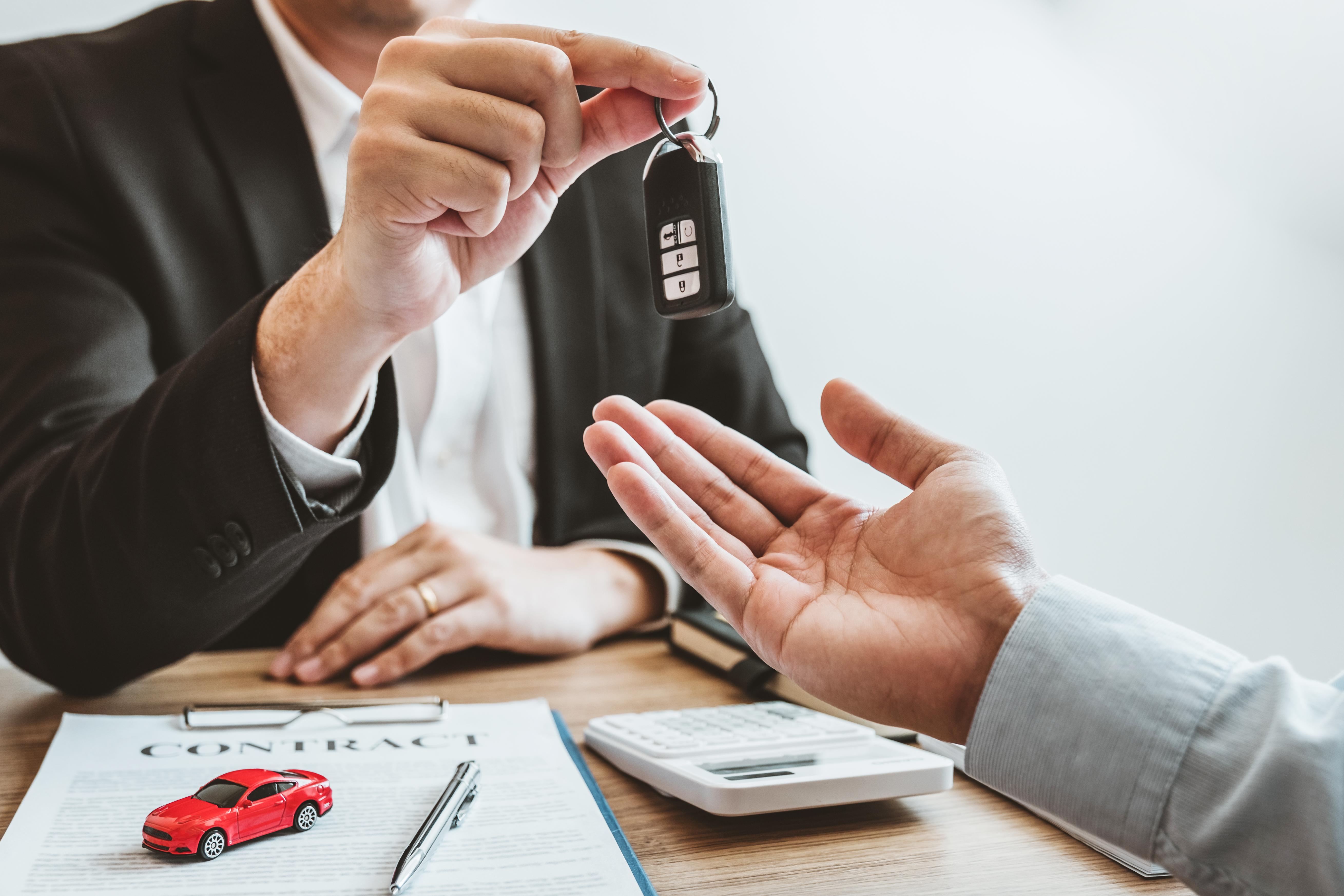
Guest Article: Leasing vs. Buying a Vehicle - A Comprehensive Guide
Planning InsightsThe decision to lease or buy a vehicle depends on your financial situation, driving habits, and long-term goals. While purchasing was traditionally considered the financially savvy choice, today's leasing options offer compelling benefits that make the decision less clear-cut. Understanding both options will help you make the best choice for your circumstances.
Rethinking the Lease vs. Buy Decision
Financial advisors often recommend investing in appreciating assets—assets that increase in value over time, like real estate. However, vehicles are depreciating assets for most consumers, losing value from the moment they leave the lot. From this perspective, leasing allows you to 'rent' rather than 'own' a depreciating asset, potentially minimizing your financial exposure to depreciation.
While some argue that leasing means 'you don't own the car,' this oversimplifies the reality. At the end of your lease term, you have several options, including purchasing the vehicle at its predetermined residual value—essentially buying your own used car with a known history.
Understanding Vehicle Leasing
When you lease a vehicle, you finance only the portion of the car's value that you'll actually use during the lease term. Here's how it works:
Suppose you want to drive a new car for three years at 12,000 miles per year. These terms establish the vehicle's residual value—what the financing company predicts the car will be worth after three years of use. Brands that hold their value better have higher residual values, while less reliable brands have lower ones.
At the end of your lease, the residual value becomes your purchase option price if you decide to buy the vehicle.
Real-World Comparison: Financing vs. Leasing
In late 2025, the average new car price exceeded $50,000 for the first time ever. Let's examine what financing versus leasing looks like for a vehicle at this price point:
| FINANCING | LEASING |
MSRP | $50,000 | $50,000 |
Sales Tax (8%) | $4,000 (upfront) | Applied to monthly payments |
Loan/Lease Terms | 60 months at 5% interest | 36 months, 12K miles/year, 60% residual value ($30,000) |
Monthly Payment | $1,020 | $780 |
Total Payments | $61,200 | $28,080 |
Purchase Option at End | N/A | $32,400 (residual $30,000 + tax $2,400) |
Total Cost to Own | $61,200 | $60,480 |
Key Insight: Leasing then purchasing results in slightly lower total out-of-pocket costs ($60,480 vs. $61,200). However, this requires having $32,400 available at lease end, or financing the purchase as you would a used car—with the advantage of knowing the vehicle's complete history.
Your Options at Lease End
1. Purchase the Vehicle: Buy the car at the predetermined residual value. This is ideal if you've enjoyed the vehicle and it has held its value well.
2. Return the Vehicle: Simply turn the car back to the dealership with no further obligation (assuming you've stayed within mileage limits and the vehicle is in acceptable condition). Dealers appreciate this option as it provides them with quality pre-owned inventory.
3. Sell to a Third Party: If your leased vehicle is worth more than the residual value, an auto broker can purchase it from you, pay off the residual, and you pocket the difference or roll the equity into your next vehicle. Many dealers don't advertise this option, but it can be financially advantageous.
Advantages of Leasing
Maximum Flexibility: Leasing provides multiple options during and after your lease term, adapting to your changing needs and circumstances.
Lower Monthly Payments: Since you only pay for the vehicle's depreciation during your lease term, monthly payments are typically significantly lower than financing. This makes premium vehicles more accessible and frees up cash for other investments.
Always Drive Newer Models: Most leases run two to three years, allowing you to regularly upgrade to vehicles with the latest safety features, technology, and fuel efficiency. This protects you from owning a car that becomes technologically obsolete.
Minimal Maintenance Worries: Leased vehicles typically remain under warranty throughout the lease period, meaning you'll rarely face unexpected repair costs beyond routine maintenance like oil changes and tire rotations.
Disadvantages of Leasing
Mileage Limits: Exceeding your annual mileage allowance (typically 10,000-15,000 miles) results in additional fees at lease end—usually 15-25 cents per mile. If you drive extensively or take frequent road trips, leasing may not be ideal.
Early Termination Costs: Breaking a lease before the term ends can be expensive, particularly with manufacturer leases. However, options exist to minimize these costs, such as lease transfers or early buyouts.
Limited Customization: Leased vehicles must be returned in their original condition, aside from minor modifications like basic window tinting. If you enjoy personalizing your vehicle with aftermarket parts or custom paint, leasing isn't the right choice.
Advantages of Buying a Car
Complete Ownership: Once you finish paying off your loan, the vehicle is entirely yours with no mileage restrictions, modification limitations, or wear-and-tear concerns.
Freedom to Customize or Sell: You can modify the vehicle however you like, sell it whenever you want, or keep it indefinitely—the choice is completely yours.
No Wear-and-Tear Penalties: Minor scratches, dings, or interior wear won't cost you fees at the end of your ownership period.
Long-Term Cost Savings: If you keep your vehicle for more than five years after paying it off, you'll enjoy a period with no monthly car payments, potentially saving thousands of dollars.
Disadvantages of Buying a Car
Higher Upfront Costs: Purchasing typically requires a larger down payment and results in higher monthly payments compared to leasing the same vehicle. This can limit your vehicle options based on your budget.
Immediate Depreciation Risk: Vehicles lose significant value the moment they leave the dealership lot. Without a substantial down payment, you could immediately owe more than the car is worth—a situation known as being 'underwater' or 'upside down' on your loan. This can persist for years, making it difficult or costly to sell or trade in.
Technology Obsolescence: Automotive technology evolves rapidly. If you plan to sell your vehicle in a few years, new technological advances could significantly reduce its resale value below your expectations.
Full Maintenance Responsibility: After the warranty expires, you're responsible for all repair and maintenance costs. Major repairs on newer vehicles with advanced technology can be expensive.
The Bottom Line
The choice between leasing and buying depends entirely on your personal situation, financial goals, and driving habits. Leasing offers flexibility, lower monthly payments, and access to newer vehicles, while buying provides long-term ownership, eventual payment-free years, and complete freedom to use and modify your vehicle.
There's no universally 'right' answer—both options can be financially sound depending on your circumstances. As a full-service auto broker, I can help you navigate either path, whether you're interested in new or used vehicles, leasing, purchasing, financing, trade-ins, or service contracts.
The most important step is understanding your options so you can make an informed decision that aligns with your lifestyle and financial objectives.
Connect with an Expert!
Thinking about leasing or buying? Before you sign, connect with Jim Fukuhara, a Colorado native and trusted auto broker with Centennial Leasing & Sales. Jim makes the process simple and transparent while helping you evaluate lease offers, financing terms, and trade-ins to ensure the structure fits your needs.
Jim Fukuhara
Auto Broker | Centennial Leasing & Sales
Email: jfukuhara@clscars.com
Phone: 303-594-2696
Location: Centennial, CO
